It’s easy to overlook the hip flexors. They’re not a muscle group you often think about—until they start causing problems. At Vale Health Clinic, we frequently work with patients experiencing lower back pain, tightness around the hips, or poor posture, only to discover that tight hip flexors play a central role.
If you’ve been sitting for long periods, feel stiff in your hips, or struggle with persistent back discomfort, your hip flexors could hold you back, sometimes quite literally. The good news is that with the proper guidance, movement, and treatment, we can help restore their function and reduce tension throughout the body.
Hip Flexors
The hip flexors are a group of muscles located at the front of the hip. They include the psoas major, iliacus, and rectus femoris, all of which help you lift your knees and bend at the hips. They’re essential for walking, climbing stairs, standing up from a chair, and virtually every activity that involves movement of the legs or lower body.
These muscles also stabilise the pelvis and help transfer force between the upper and lower body. When they’re working well, we move freely and efficiently. But when they become shortened or tight, often due to prolonged sitting or poor postural habits, they can affect everything from stride length to spinal alignment.
Sitting and Modern Habits Tighten the Hip Flexors
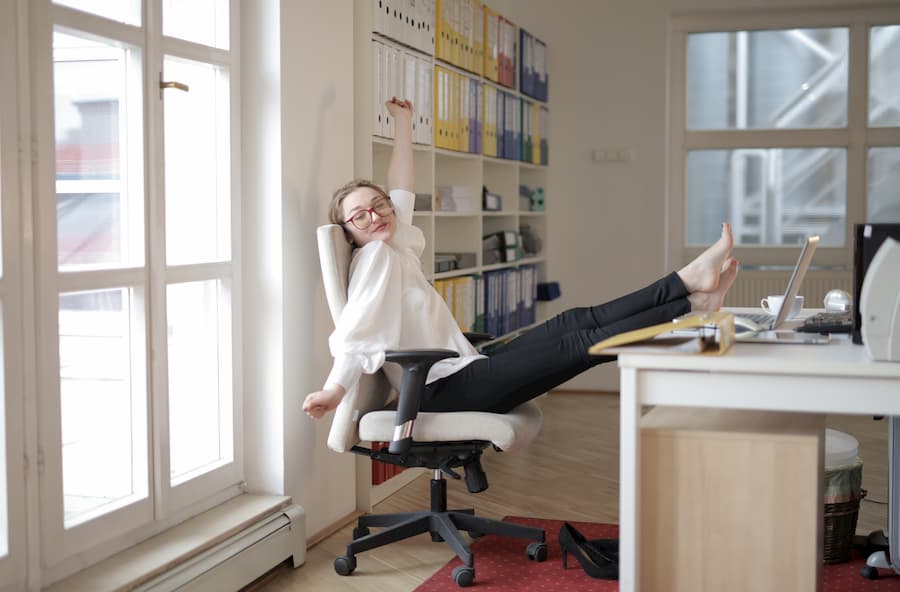
Today, many of us sit more than we’d like to admit. Whether at a desk, behind the wheel, or on the sofa, our hips are often held flexed (bent) for hours on end. Over time, this causes the hip flexors to become adaptively shortened.
This tightness pulls the pelvis forward into an anterior pelvic tilt, increasing the arch in the lower back and placing more pressure on the lumbar spine. It also inhibits the core muscles that would normally help stabilise the trunk. That’s why we often see patients who describe feeling “locked up” in their hips and lower back—when really, it’s a muscular imbalance rooted in habitual movement patterns.
Do You Have Tight Hip Flexors?
You don’t need to be in pain to have tight hip flexors. Some of the most common indicators we see in the clinic include:
- Difficulty standing upright after sitting
- A noticeable curve in the lower back (increased lordosis)
- A feeling of tightness or pinching at the front of the hips
- Limited hip extension during walking or running
- Lower back fatigue during exercise or prolonged standing
If any of these sound familiar, you may benefit from stretching and strengthening exercises that target this area. If your symptoms are persistent, getting assessed by a clinician can help determine the root cause and the most effective treatment strategy.
Tight Hip Flexors Affect Your Spine
When the hip flexors are tight, they pull on the pelvis and lumbar spine, leading to misalignment, instability, and compensation from surrounding muscles. The spinal joints can become compressed, which may cause discomfort not only in the lower back but also in the hips and thighs.
At the same time, weakened or underused abdominal muscles—particularly the deep transverse abdominis—are less able to support the spine. This creates a situation where your body relies on overworked muscles for support, making you more vulnerable to strain and injury.
As we often explain to our patients, spinal health is a team effort, and the hip flexors play a key role in that team.
Chiropractic Care at Vale Health Clinic
We take a whole-body approach to muscle and joint dysfunction at Vale Health Clinic. Regarding tight hip flexors, our focus isn’t just on relieving the symptoms but restoring proper alignment, mobility, and muscle activation.
Chiropractic treatment can:
- Improve pelvic alignment and reduce excess strain on the lumbar spine.
- Release muscular tension through soft tissue techniques.
- Restore joint mobility, particularly in the hips and lower back.
- Re-educate postural habits through movement and muscle retraining.
We recommend incorporating mindfulness techniques for many patients to develop better body awareness, particularly around posture and movement habits.
Home Stretches and Exercises That Work
Improving hip flexor mobility is not just about stretching, though that’s certainly part of it. It’s about reintroducing proper movement and stability to the area. Here are a few of the exercises we often recommend as part of a broader care plan:
- Supported Hip Flexor Stretch (Bed Edge Release)
Lie on your back near the edge of your bed. Let one leg hang off while gently drawing the opposite knee towards your chest. This helps relax and lengthen the hip flexor on the hanging leg. Hold the stretch for 30 seconds and repeat three times on each side.
- Pulse Lunges
Get into a lunge position and perform small, controlled pulses to activate and open the front of the hip. Aim for 30 seconds per side, repeated for three sets.
- Reverse Lunge to Knee Drive
Start in a standing position, step back into a lunge, and then drive the back knee forward and upward in one smooth motion. This builds dynamic hip flexor strength and coordination. Perform three sets of 10 repetitions per leg.
These movements should feel challenging but not painful. If they trigger discomfort in the lower back or hips, it’s best to get checked by a qualified practitioner to ensure you’re moving correctly.
When to Book In for Assessment
If tightness persists despite stretching, or you’re experiencing ongoing pain or limited mobility, we encourage you to book a consultation with one of our clinicians. Whether your goal is to relieve discomfort, prevent injury, or improve posture and movement, we can help you get to the root of the issue.
Visit our Chiropractic Services for more information on how we support spinal and postural health in a tailored, hands-on way.
Hip Flexors and Whole-Body Health
Your hip flexors may not be muscles you think about often, but they make their presence known when they’re tight. From posture and movement to back pain and mobility, these small but powerful muscles affect far more than just your hips.
At Vale Health Clinic, we help you restore balance, move easily, and feel confident in your body again. Whether through hands-on chiropractic care, tailored rehab exercises, or lifestyle advice, our goal is always to help you live pain-free and well.
Related Articles
- Nerve Pain in Hip: Symptoms & Treatment
- Sleeping Habits Causing You Pain?
- Back Exercises for Trapped Nerve
- Will Exercise and Moving About Make Your Chronic Back Problem Worse?
- Stay-at-Home Exercises for Your Back
Prefer an AI Summary?