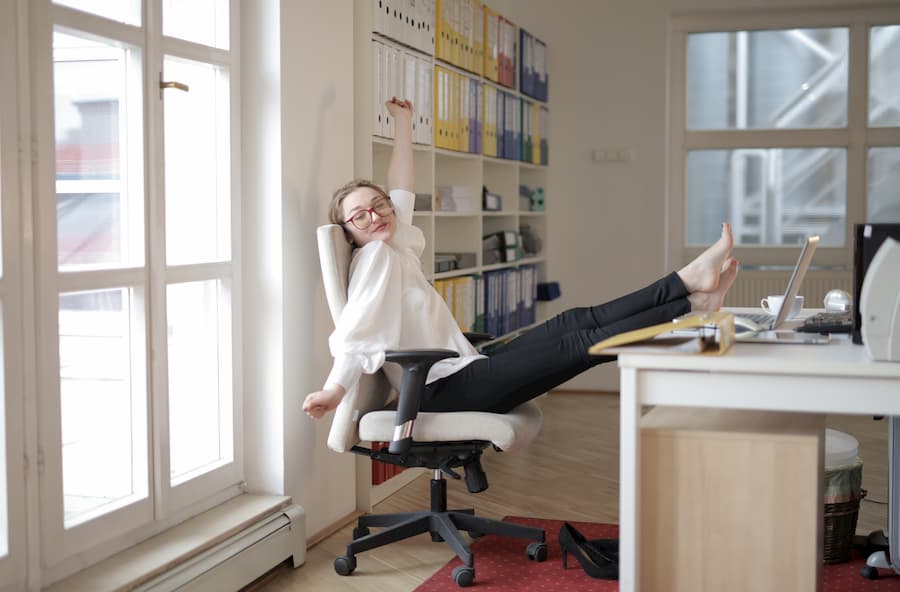
For many of us, back pain has become an unfortunate but familiar part of daily life. This is particularly true for those who spend long hours seated at a desk. At Vale Health Clinic, we regularly support patients whose discomfort builds over time and is linked to prolonged sitting, poor posture and limited movement during the working day.
As awareness grows around the risks of sedentary behaviour, more people are exploring ways to work in a way that supports spinal health. One increasingly popular option is the adjustable standing desk, which makes it easier to alternate between sitting and standing throughout the day. But do these desks truly help reduce back pain? In our experience, they can make a noticeable difference when appropriately introduced.
The Relationship Between Prolonged Sitting and Back Discomfort
Sitting for long stretches affects much more than posture. Extended periods of sitting can compress the lower back and reduce the natural curve of the spine. Over time, this pressure causes stiffness in the joints and weakens the muscles essential for supporting the back. Muscles in the hips, lower back and abdominals can become imbalanced, leading to pain and fatigue.
A study published in Applied Ergonomics (2017) found that prolonged sitting, exceeding 30 minutes, may lead to spinal shrinkage and reduced disc hydration. These subtle changes can lead to the persistent, low-grade back discomfort that many desk workers begin to accept as normal.
The Benefits of Standing Desk Use for Spinal Health
An adjustable standing desk creates an opportunity to vary your posture and engage different muscle groups throughout the day. Rather than remaining in a fixed position, you can switch between sitting and standing to relieve pressure on the spine and improve circulation.
Research from The British Journal of Sports Medicine (Chau et al., 2016) supports the use of sit-stand workstations to reduce sedentary time and lessen musculoskeletal symptoms in office-based environments. By changing positions regularly, you are less likely to overload any one part of the spine, which in turn may help reduce aches and stiffness.
Using Standing Intervals to Encourage Better Posture
The most significant benefit of a standing desk comes from flexibility. It is not about standing all day, but rather about incorporating short standing periods throughout the workday. This change encourages postural variation, which can help reduce fatigue in the lower back and improve your ability to maintain upright posture.
Alternating between sitting and standing every 30 to 60 minutes allows key stabilising muscles to switch on and off as needed. This helps avoid muscle fatigue and supports the spine more naturally. Many of our patients have found that breaking up their day in this way not only helps reduce pain but also improves focus and energy levels.
Positive Changes Noticed in the Lower Back and Shoulders
Once a standing desk becomes part of a routine, many people begin to notice reduced stiffness in the lower back, fewer aches across the shoulders, and an improvement in overall comfort. Headaches and tension around the neck may also decrease as their posture improves.
It is essential to give the body time to adapt. A gradual introduction to standing, accompanied by supportive footwear and guidance on posture, tends to yield better results. Standing desks are most effective when used as part of a broader strategy that includes movement and musculoskeletal support.
Desk Set-Up, Footwear and Movement Considerations
The benefits of a standing desk depend on correct set-up. A poor standing posture can create new issues, such as pressure in the knees or hips, so attention to detail matters. Screens should be at eye level, your wrists should stay in a neutral position, and your weight should be evenly distributed across both feet.
Supportive footwear is essential, particularly if you are standing for more than a few minutes at a time. A cushioned mat can also help reduce fatigue. Even with a perfect set-up, movement remains key. We advise patients to take regular walking breaks and include simple stretches to support spinal mobility and circulation.
Supporting Spinal Health with Chiropractic Care
While standing desks can support healthier posture, they are not a solution in isolation. At Vale Health Clinic, we work with patients who are making adjustments to their workstation and need support with existing postural strain, muscle tension or reduced mobility.
Chiropractic care can help address these restrictions, improve spinal alignment and support more comfortable standing and sitting postures. We also guide patients on safe transitions between positions and provide exercises to build strength and control. This joined-up approach often leads to faster relief and more lasting improvements.
Making Simple Adjustments That Deliver Long-Term Results
Standing desks are not a quick fix, but they offer a realistic and achievable way to improve posture and reduce pain at work. When used correctly, they allow the spine to move more freely and help mitigate the cumulative strain that develops from prolonged sitting.
Our message is simple: a more active and balanced work environment can help your spine function more effectively, reduce tension, and improve your overall well-being throughout the day. You do not need to overhaul your routine all at once. Small, steady changes can deliver meaningful benefits.
Ready to Improve Your Workday and Reduce Pain?
If your back, shoulders or hips are feeling the strain of a seated lifestyle, we can help you explore solutions that suit your needs and environment. Standing desks may be part of the answer, especially when introduced alongside professional guidance and musculoskeletal support.
Contact Vale Health Clinic today to book a consultation. Let us help you find the right approach for your spine, posture, and long-term well-being.
Related Articles
- Will Exercise and Moving About Make Your Chronic Back Problem Worse?
- Managing your Back Pain
- Staying Supple & Active Working From Home
- Preventing Neck And Back Pain From Computer Use
- Stay-at-Home Exercises for Your Back
Prefer an AI Summary?