You may have heard the term ‘slipped disc’, but this is a somewhat inaccurate term, as discs cannot actually slip out of place. Discs are securely attached to the vertebrae. So, while they can wear, split or herniate, they can’t slip. Understanding what your discs do and how to keep them healthy is key to both recovery and prevention.
Discs and Vertebrae
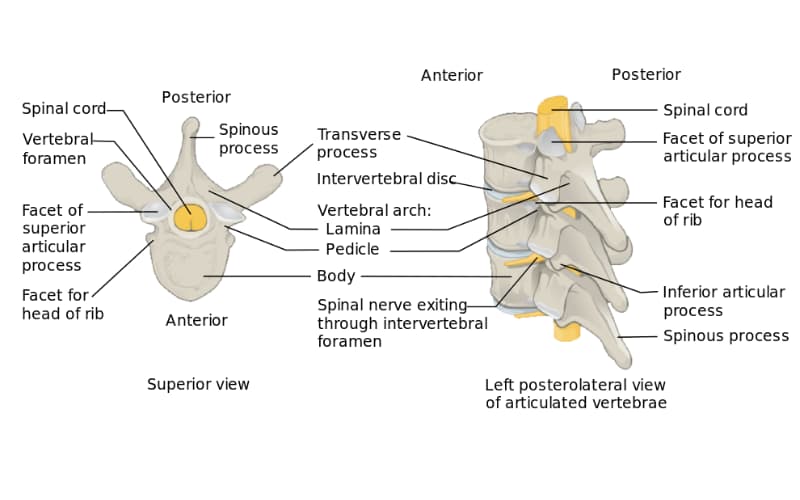
Your spine is made up of a series of small bones called vertebrae, stacked neatly one on top of the other to form a strong yet flexible column. Running through the centre of this column is the spinal cord, a vital pathway that carries messages between your brain and the rest of your body. To protect both the vertebrae and the spinal cord, nature has placed a cushion between each pair of vertebrae.
These cushions are called intervertebral discs. Each disc acts like a miniature shock absorber, softening the impact every time you move, bend, twist, or even walk. Without them, everyday activities would put far more stress on the bones of your spine, leading to stiffness, discomfort, and reduced mobility.
Discs also help maintain the correct spacing between vertebrae, which is essential for allowing nerves to pass freely from the spinal cord to the rest of the body without being pinched or irritated. Together, vertebrae and discs create a strong yet adaptable structure that gives your back both stability and flexibility, allowing you to move with ease while protecting one of the most essential systems in your body.
Intervertebral Discs
Each disc is a clever piece of design with two distinct parts that work together to protect your spine. The outer layer, called the annulus fibrosus, is made from tough fibrous tissue. This ring provides the disc with its shape and strength, keeping it securely in place between the vertebrae.
Inside is the nucleus pulposus, a softer gel-like centre that acts much like a cushion. This inner core absorbs and redistributes the forces placed on your spine whenever you walk, bend, twist, or lift. By spreading pressure evenly, the discs prevent any single part of the vertebrae from taking too much strain.
Together, the annulus fibrosus and nucleus pulposus safeguard the bones of your spine from wear and tear, preserve flexibility, and allow you to move freely without damaging the surrounding structures. It is this combination of strength and shock absorption that makes the discs so vital to everyday comfort and mobility.
Disc Injuries
Although discs are designed to be strong and resilient, they are not indestructible. Over time, they can become vulnerable to injury through either gradual wear or sudden force. One of the most common problems is a compression injury. This happens when too much pressure is placed on the spine in one moment, such as lifting a heavy object without proper technique or twisting sharply while carrying weight.
Another frequent cause is cumulative strain, where repeated small stresses gradually weaken the disc’s structure. Spending long hours sitting without proper back support, bending awkwardly, or lifting in a way that puts unnecessary pressure on the spine can all contribute. Weakness in the core muscles also plays a role, as these muscles help stabilise the spine and share the workload with the discs.
In some cases, a single incident such as a fall, sports injury, or road accident can trigger a disc injury. Whether the damage is sudden or builds over time, the result can be similar: discomfort, restricted movement, and, in some cases, irritation to nearby nerves.
Signs Of Disc Problems
When a disc becomes irritated or injured, the symptoms can range from mild discomfort to more noticeable changes in movement and sensation. One of the first signs is often localised pain in the back or neck, depending on where in the spine the affected disc sits. This pain may feel sharp during specific movements or more like a persistent ache when resting.
If the disc is pressing on a nearby nerve, discomfort can radiate beyond the spine. This might mean pain travelling into the arms, legs, or buttocks. Some people experience tingling or numbness, while others may notice weakness in specific muscles. These changes happen because nerves carry signals between the spine and the rest of the body, and any pressure on them can interfere with this process.
Stiffness or reduced mobility is also common, making it harder to bend, twist, or carry out routine daily tasks. Even simple activities like getting out of bed or sitting for long periods can become uncomfortable. Early assessment is essential, as prompt treatment can often ease symptoms quickly and prevent longer-term complications.
Preventing Disc Injuries
Looking after your spine each day is the best way to protect your discs from unnecessary strain. Good posture is an important starting point. When sitting, keep your back supported, your feet flat on the floor, and your shoulders relaxed. Standing tall with your weight evenly balanced helps maintain spinal alignment and reduces pressure on the discs.
Strong supporting muscles, particularly in the core, play a significant role in protecting the spine. Activities such as Pilates, swimming, or targeted strength exercises can help build stability and reduce the workload on your discs. Flexibility is equally important, as supple muscles and joints allow for smoother movement and less tension on the back.
When lifting, use your legs rather than your back. Bend at the knees, keep the object close to your body, and avoid twisting as you rise. Taking regular movement breaks, especially if you sit for long periods, keeps the discs nourished and mobile. Even a short walk or a few gentle stretches can make a noticeable difference.
Choosing a mix of activities that promote both flexibility and balance, such as yoga or tai chi, can further support spinal health and help prevent injuries before they start.
Supporting Recovery From a Disc Injury
Recovery from a disc injury is often a gradual process, and the right approach can make a significant difference to comfort and long-term outcomes. While complete bed rest may seem tempting, gentle movement is usually more beneficial. Staying active within safe limits helps keep blood flowing to the injured area, bringing nutrients that support healing and preventing stiffness from setting in.
A guided exercise programme tailored to your needs can rebuild strength, flexibility, and stability. These exercises often focus on improving core support, enhancing posture, and easing tension in surrounding muscles. Making ergonomic adjustments at home or work, such as setting your chair height correctly or adjusting your computer screen to eye level, can also reduce strain on the spine and prevent further irritation.
Chiropractic care can play a valuable role in recovery. By improving spinal alignment and relieving pressure on affected areas, chiropractic techniques can help reduce pain, restore mobility, and promote the body’s natural healing processes. Ongoing care can also identify and address slight imbalances before they lead to future problems, supporting your spine’s health for years to come.
Maintaining a Healthy Spine For Life
Caring for your spine is not just something to think about when problems arise. It is an ongoing commitment that can protect your mobility and comfort well into the future. Regular check-ups allow minor issues to be addressed before they become painful or restrictive, keeping your back in its best condition year-round.
A balanced diet rich in nutrients such as calcium, vitamin D, and magnesium supports healthy bones and joints. Adequate hydration is equally important, as discs rely on fluid to maintain their cushioning ability. Drinking enough water each day helps keep them plump and resilient.
Staying active is one of the most effective ways to maintain spinal health. Gentle, consistent exercise keeps muscles strong, improves flexibility, and promotes healthy circulation to spinal tissues. Whether it is walking, swimming, stretching, or a favourite class, making movement a daily habit helps ensure your spine remains strong, supple, and ready for whatever life brings.
Spinal Care from Vale Health Clinic
Disc problems are more common than many people realise, and in most cases, they respond well to the right combination of care, movement, and lifestyle changes. With early attention and a proactive approach, many people find their symptoms ease quickly and their mobility improves, allowing them to get back to the activities they enjoy.
At Vale Health Clinic, we see every patient as an individual. Our chiropractors work closely with you to understand your symptoms, lifestyle, and goals before creating a tailored care plan. This may include gentle hands-on techniques, personalised exercise guidance, and advice on posture and ergonomics to support your recovery.
Our aim is not only to help you feel better now, but also to keep your spine healthy and resilient in the years ahead. Whether you are seeking relief from a recent injury, ongoing back pain, or want to maintain your spinal health, you can feel confident knowing you have a trusted partner in Vale Health Clinic.
Related Articles
- Back Exercises for Trapped Nerve
- Lunge Stretch for Back Pain
- Nerve Pain in Hip: Symptoms & Treatment
- How To Relieve Pain From a Trapped (Pinched) Nerve
- Chiropractor or Osteopath for a Trapped Nerve or Sciatica
Prefer an AI Summary?