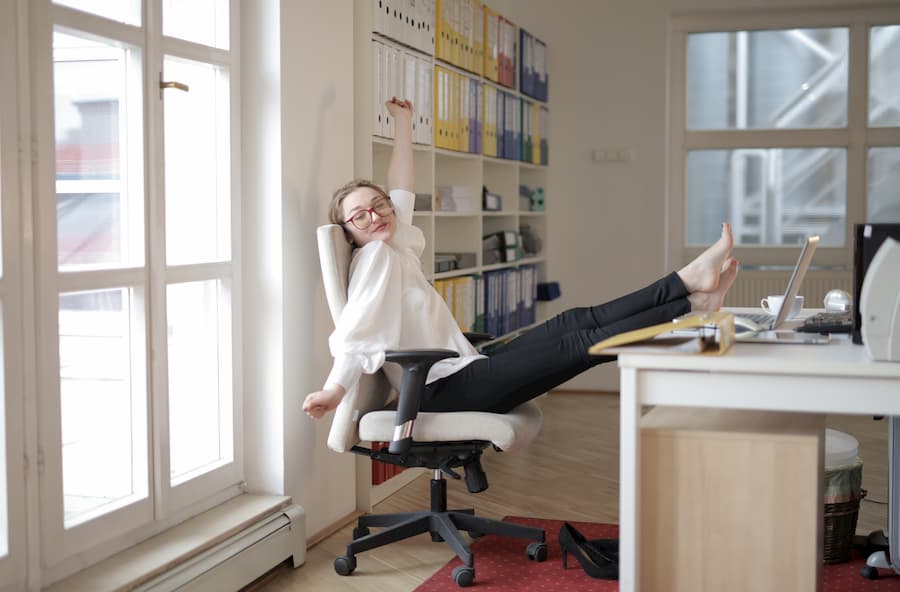
In today’s world, most of us spend long hours sitting at desks, behind the wheel, or looking down at phones and screens. These habits often lead to slouching without us even realising it. Over time, this can affect more than just our posture. The way we hold our bodies can influence how we feel both physically and emotionally.
Poor posture can place pressure on the spine and surrounding muscles, leading to stiffness, reduced mobility and back pain. However, recent research suggests that slouching may also impact mood, focus, and energy. A rounded posture is often linked with feelings of low motivation or tension, while sitting upright may support clearer thinking and a more positive state of mind.
With awareness, movement and professional support, it’s possible to ease back pain, reduce slouching and feel more balanced throughout the day. At Vale Health Clinic, we help people correct poor posture with a combination of chiropractic care, personalised advice and exercises tailored to your lifestyle. Whether you are working at a desk, standing for long periods or simply trying to feel more energised, better posture is a great place to start.
Posture And The Mind-Body Connection
Posture is not just about how we look; it plays a central role in how we feel, both physically and emotionally. The way we carry ourselves can influence our energy levels, focus and even our mood.
When we slouch, the chest often collapses and the head drops forward. This position can reduce lung capacity and limit oxygen flow, which in turn may contribute to feelings of tiredness or low energy. Over time, this type of posture can lead to a subtle sense of heaviness or strain throughout the body.
Slouched posture can also affect the way we think and feel emotionally. Rounded shoulders and a dropped head are often associated with low confidence or a flat mood. In contrast, sitting or standing more upright has been linked with clearer thinking, improved concentration and a more positive outlook. Several studies have found that posture can influence how we handle stress, how motivated we feel and how engaged we are with the world around us.
Physically, slouching also increases tension in areas such as the neck, shoulders and lower back. This muscular strain can lead to discomfort that makes it harder to relax or stay focused, creating a loop of physical and mental restlessness.
All of this reflects the strong connection between the mind and body. Our posture affects how we feel, and how we feel often shapes our posture.
Slouching At Work And At Home
It is often the small habits in our daily routine that quietly shape our posture, especially at work and at home. Many people spend large parts of the day seated or looking down at screens, without realising how their bodies are being affected.
Desk-based work is one of the most common contributors to poor posture. When screens are positioned too low, it encourages the head to tilt forward and the shoulders to round. Over time, this leads to slouching and strain in the neck and upper back. Unsupportive chairs without proper lumbar support can also allow the spine to collapse into a C-shape, putting pressure on muscles and joints.
At home, slouching often continues. Long commutes, relaxed seating, or time spent scrolling on a phone or tablet can all lead to similar postural patterns. Using devices in bed or slouching on the sofa might feel comfortable in the short term, but these positions can quietly reinforce muscular imbalance. Even when standing, habits such as leaning on one hip or shifting weight unevenly can create tension that builds throughout the day.
The problem with these postural imbalances is that they often go unnoticed. They do not usually cause pain immediately, but over time, they can lead to stiffness, reduced concentration, and fatigue. Muscles become overworked or underused, joints lose mobility, and the body begins to feel less balanced overall.
Making small changes to posture at work and home can have a noticeable impact on how you feel.
Back Pain Linked To Slouched Posture
Poor posture is one of the most common underlying causes of back pain. Slouching, whether while sitting, standing or walking, places the spine under mechanical strain. This strain can build gradually, leading to discomfort that becomes more persistent over time.
When the spine is not correctly supported, the natural curves begin to change. Slouching causes the spinal joints to compress, especially in the lower back and neck. These compressed joints can become irritated, reducing their ability to move freely and comfortably. This often leads to a dull, aching sensation or sharp twinges when moving or changing position.
As the muscles work harder to support an imbalanced spine, tension builds in both the upper and lower back. This tightness can spread into the shoulders, contributing to stiffness and reduced flexibility. In many cases, slouched posture also affects the position of the neck, leading to headaches caused by muscular strain and restricted movement.
Over time, this ongoing tension can reduce overall mobility and disrupt the body’s natural balance. People may begin to avoid specific movements, favour one side of the body, or feel less confident in their physical ability. Even mild, nagging discomfort can start to affect concentration, mood, and motivation, particularly when it becomes a daily occurrence.
Correcting Posture Through Chiropractic Care
Chiropractic care offers a practical, hands-on solution to posture-related problems. At Vale Health Clinic, we take a personalised approach to helping patients improve their movement, feel better, and function more effectively by addressing the root causes of poor posture.
A complete postural assessment forms the foundation of care. During this process, we assess spinal alignment, muscle tone and joint mobility to understand how your body is currently working. We also take the time to observe your typical movement patterns, such as how you sit, stand, and walk, and discuss any habits that may be contributing to tension or imbalance. Subtle compensations, like favouring one side of the body or leaning forward while sitting, can offer important clues.
Once we understand where pressure is building or movement is restricted, treatment can begin. Chiropractic techniques are used to improve joint mobility, reduce muscular tension and support more natural spinal alignment. These adjustments are precise and controlled, always tailored to your comfort level.
Beyond physical relief, chiropractic care helps re-educate the nervous system. This means your body becomes more aware of how it moves and holds itself, making it easier to maintain improved posture throughout the day. As balance is restored between different muscle groups, movement often feels lighter and more coordinated.
Better posture also supports mental well-being. When the body feels less strained, it is easier to stay focused, relaxed and energised. Our approach is always personalised, professional and built around your lifestyle, whether you spend long hours at a desk, on your feet or managing a busy family life.
At Vale Health Clinic, we believe in empowering people to take control of their posture and feel the difference it makes.
Exercises To Improve Posture And Mood
Movement plays a vital role in improving posture and supporting a more balanced state of mind. When done with care and consistency, exercises can help strengthen postural muscles, ease tension and encourage better alignment throughout the day. These movements are simple, effective and suitable for most people, whether at home, at work or on the go.
Wall angels are a great place to start. Standing with your back against a wall, slowly raise and lower your arms in a controlled arc, keeping your elbows and wrists in contact with the surface. This helps open the chest, improves shoulder mobility, and activates the muscles that support good posture.
Chin tucks are another helpful exercise, especially for those who spend a lot of time looking at screens. Gently tuck your chin straight back (not down), creating a double chin without tilting the head. This encourages better alignment of the neck and reduces forward head posture.
Seated spinal rotations help ease mid-back stiffness. Sit upright in a chair with your feet flat, then gently twist your upper body to one side, holding onto the back of the chair for support. Repeat on the other side, moving with control and without forcing the stretch.
Breathing drills can also make a difference. Deep belly breathing, with slow, full breaths in through the nose and out through the mouth, helps activate the diaphragm and core muscles while promoting calmness and focus. This type of breathing can support both posture and mood, particularly during moments of stress.
Lastly, standing posture resets are a simple way to break the cycle of slouching. At regular intervals, stand tall with your feet hip-width apart, roll your shoulders back and down, and take a few deep breaths. This small act helps reset your posture and refocus your attention.
These exercises are most effective when performed regularly and with mindful attention to form. It is not about doing them perfectly, but about building awareness and creating space for your body to move more freely. At Vale Health Clinic, we can guide you through these movements and ensure they are tailored to your posture, goals and daily routine.
Tips For Daily Postural Awareness
Improving posture does not mean sitting rigidly or trying to be perfect all day. It is about making small, consistent changes that support your body and help you feel more comfortable and energised. With a few simple adjustments, it becomes easier to stay balanced and avoid the build-up of tension that often leads to back pain or fatigue.
Set screens at eye level to avoid the need to look down or hunch forward. This can be done by raising your laptop on a stand or placing your monitor on a stack of books. Your eyes should naturally meet the top third of the screen when you sit upright.
Use a lumbar cushion or a rolled-up towel behind your lower back to support the natural curve of the spine when sitting. This helps maintain a more upright position without effort and reduces strain on the lower back.
Take breaks every 30 to 45 minutes to stretch or move around. Even a short walk across the room or a few shoulder rolls can reset your posture and help prevent stiffness from building up during long periods of sitting.
Avoid crossing your legs or leaning to one side when sitting. These habits can create an imbalance in the hips and spine over time. Instead, keep both feet flat on the floor and aim for even weight through both sitting bones.
Use visual reminders to prompt better posture. A sticky note on your monitor with a simple word, such as “sit tall” or “shoulders back,” can help bring awareness throughout the day without being disruptive.
Postural improvement is not about holding a fixed position, but about becoming more aware of how your body moves and rests. With regular attention and support from your chiropractor, these small steps can lead to noticeable improvements in comfort, energy and overall well-being.
Check In With Vale Health Clinic
If you are dealing with ongoing back discomfort, low energy or notice yourself regularly slouching, it may be time to check in with a chiropractor. Postural issues do not always cause pain straight away, but over time they can affect movement, concentration and overall wellbeing. A professional assessment can help identify subtle imbalances before they become more problematic.
At Vale Health Clinic, we offer full postural reviews to assess spinal alignment, joint mobility and muscle tension. We also examine your daily habits, from how you sit at work to how you move throughout the day. With this understanding, we provide clear, personalised guidance on how to support better posture through movement, chiropractic care and simple adjustments that fit into your routine.
Improving posture is not just about standing up straight. It is about feeling more comfortable in your body, easing back pain, lifting energy levels and supporting a more positive state of mind. With the proper support, many people notice not only that they move better, but also that they feel better.
Whether you are looking to prevent future issues or want to address existing discomfort, we are here to help. Get in touch with Vale Health Clinic to book your consultation or learn more about our approach to posture-focused chiropractic care. Your journey to better balance, comfort and wellbeing starts with a conversation.
Related Articles
- Is Slouching Making You Sad?
- Sitting Comfortably with Sciatica
- Active Recovery from Chronic Back Pain and How to Help!
- Lunge Stretch for Back Pain
- Healthy Postural Positions for Babies!
Prefer an AI Summary?