As a clinic that supports men’s health daily, we understand how confusing it can be to feel physically strong, train regularly, and still experience erectile dysfunction (ED). Many of the men we see are health-conscious, committed to their wellbeing, and yet surprised when performance in the bedroom doesn’t match performance in the gym.
There’s a common belief that ED only affects older men or those with unhealthy habits. In reality, we see plenty of fit, motivated individuals in their 30s, 40s and 50s who are experiencing the frustration and emotional toll of erectile difficulties. Being active is undoubtedly beneficial, but it isn’t always protection against the underlying factors that contribute to ED.
ED is Not Just an “Older Man’s Problem”
Erectile dysfunction refers to the inability to achieve or maintain an erection firm enough for sexual activity. It affects millions of men in the UK and can stem from a wide range of causes—not just age or lifestyle-related conditions.
The process of getting and sustaining an erection is complex. It involves blood vessels, nerves, hormones, and the brain. If even one part of that system is under strain, the result can be inconsistent or diminished performance. For active men, the challenge often lies in the assumption that physical fitness equals total health, when stress, hormonal imbalances or vascular changes can occur behind the scenes.
Your Hormones Might Be Under Training Pressure
Exercise is essential in supporting testosterone production and vascular health, but there’s a tipping point. High-intensity or high-volume training, especially without adequate recovery, can lead to chronically elevated cortisol—our primary stress hormone. Over time, this can suppress testosterone and affect everything from libido to sleep quality and motivation.
Overtraining isn’t just about physical burnout. It’s a hormonal and neurological imbalance that can slowly undermine sexual health, even when performance in sport remains high. We often meet men training more, pushing harder, and wondering why their energy, drive, and bedroom performance are slipping. The connection isn’t always obvious, but it is treatable and real.
When Leanness Isn’t a Hormonal Advantage
Another known factor is nutrition. Men who work hard to stay lean often restrict dietary fat or calories too severely, unintentionally lowering the raw materials needed for testosterone production. Low body fat can affect hormone regulation, particularly when combined with heavy training and minimal dietary flexibility.
We also see men who are supplementing heavily or relying on stimulants to maintain energy, not realising that these substances may be adding to the problem. Optimising sexual health is about balance, not extremes—and sometimes, even a “clean” diet may be missing key elements needed for performance and recovery.
Stress, Sleep, and the Psychology of Performance
Psychological health plays a huge role in sexual function. Many of the men we support are high achievers—not just in fitness but also in their careers and personal lives. The pressure to perform, look a certain way, and maintain composure in all areas can quietly wear down the nervous system.
Poor sleep, deadline stress, relationship strain, or underlying anxiety can all interfere with arousal and erection quality. The body doesn’t separate physical and mental stress—they raise cortisol, suppress libido, and make recovery harder. Acknowledging this is not a weakness, it’s one of the most important steps in regaining control.
ED as a Cardiovascular Warning Sign
While you may feel fit and energetic, ED can still be a subtle early warning sign of underlying vascular issues. The blood vessels in the penis are smaller than those in the heart, so signs of reduced blood flow often show up there first.
Even in men with good aerobic fitness, microvascular health can be compromised due to genetics, inflammation, or undiagnosed conditions. This doesn’t mean you’re unwell; it means your body gives you helpful information. Ignoring it isn’t a solution; responding early can protect your long-term health and performance.
When to Reach Out for Support
If you’re experiencing ED, even occasionally, and it’s affecting your confidence or wellbeing, it’s worth talking to a professional. At Vale Health Clinic, we offer private, respectful consultations that explore the whole picture, physical, hormonal, psychological, and lifestyle-related.
We take the time to understand what’s happening beneath the surface, using comprehensive assessments, lab testing when needed, and an honest conversation about your goals. There’s no one-size-fits-all solution, and we’ll never push a treatment that isn’t right for you.
Our Approach to ED at Vale Health Clinic
We offer a range of effective, clinically backed treatments for ED tailored specifically to men who want results without unnecessary medications or invasive procedures. These include:
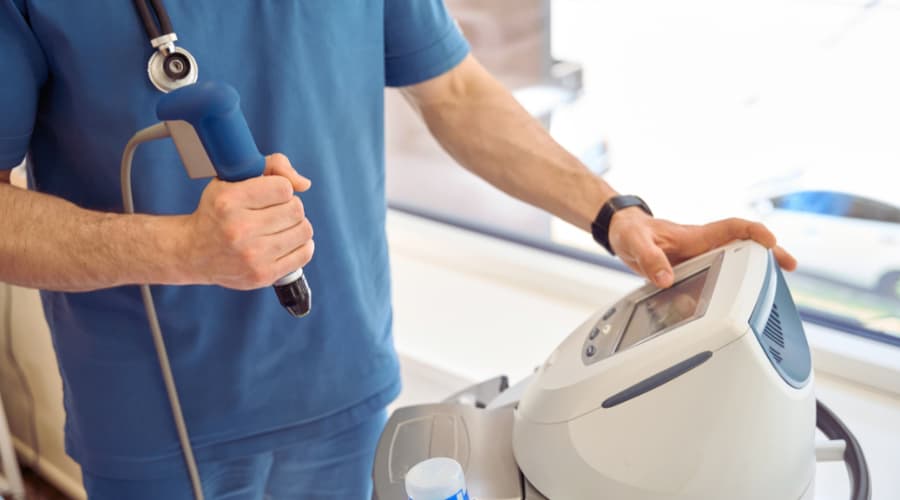
- Focused Shockwave Therapy (LiSWT): Enhances blood flow and repairs microvascular damage through non-invasive stimulation of tissue.
- Natural ED Shots: A regenerative injectable therapy using platelet-rich plasma (PRP) to support nerve sensitivity and blood vessel repair.
- Blood Testing and Hormone Analysis: To assess testosterone and other hormonal markers influencing sexual health.
- Lifestyle and Nutritional Advice: This is designed for active men who may be overtraining or under-fuelling. It provides support for sleep, recovery, and supplementation.
We help you address the root cause—not just the symptoms, so you can return to feeling confident about yourself.
Strength Is Knowing When to Act
Experiencing ED when you’re otherwise healthy and active can be frustrating, but it’s also an opportunity. Your body is telling you something, and listening to it is a sign of strength, not weakness.
At Vale Health Clinic, we guide, support, and work with you, not lecture or label. You’ve worked hard to take care of your body. Let us help you take care of your sexual health too.
Related Articles
- Testing for Erectile Dysfunction Yourself
- Causes of Erectile Dysfunction in the UK
- Lifestyle Factors Impacting Erectile Dysfunction
- Endocrine Disorders and Erectile Dysfunction
- Starting the Conversation about Erectile Dysfunction
Prefer an AI Summary?